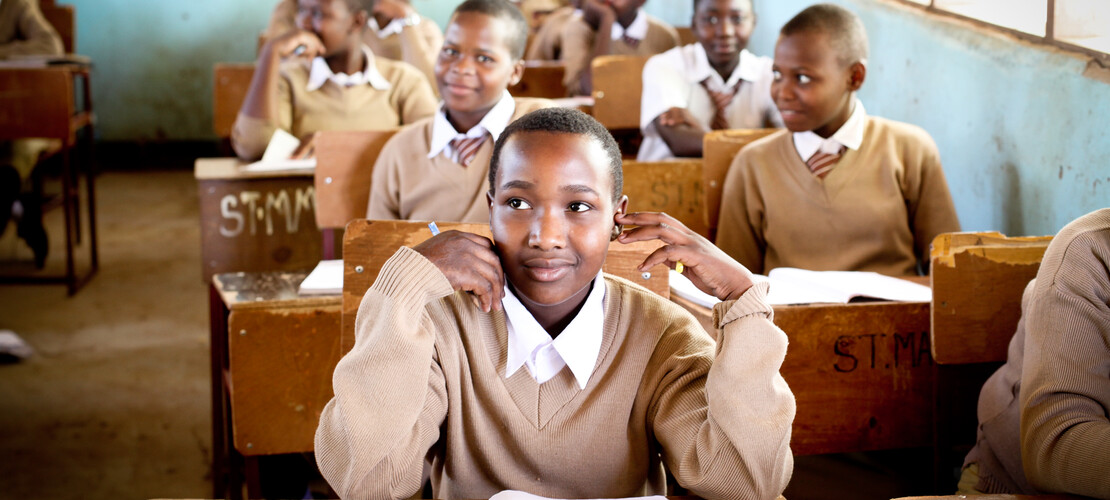
After the nursery school and St. Leo, Father Bolle decided to start a third, even more ambitious project: a secondary boarding school specifically for girls. In Igunga, girls often received fewer opportunities. Many of them had to help at home and had hardly any access to further education, especially when living outside the city. That is why Father Bolle wanted to build the first girls' boarding school in the entire district, in an area nearly one-third the size of Belgium.
In 2008, he took the first step without knowing how he would finance this massive project. "Providence would overcome the practical obstacles along the way," was Bolle's conviction. And so it happened: thanks to the dedication and support of many, the school continued to grow year after year. Only six years later, there stood a complete secondary school for 940 girls.
Below you will find a timeline showing how we built St. Margreth step-by-step into the impressive school it is today.
2008
The beginning: construction site becomes a school
The Tanzanian government provides a 5-hectare site in Igunga. The plot contains several housing units, garages, and warehouses that had been used by a Chinese company since 2006 to pave the main road between Dar es Salaam and Mwanza. Father Bolle purchases the site and renovates the buildings into housing for teachers, administration, and a kitchen. Construction begins on 4 classrooms, a first dormitory for 80 girls, and 4 rainwater tanks capable of collecting 80,000 liters of rainwater.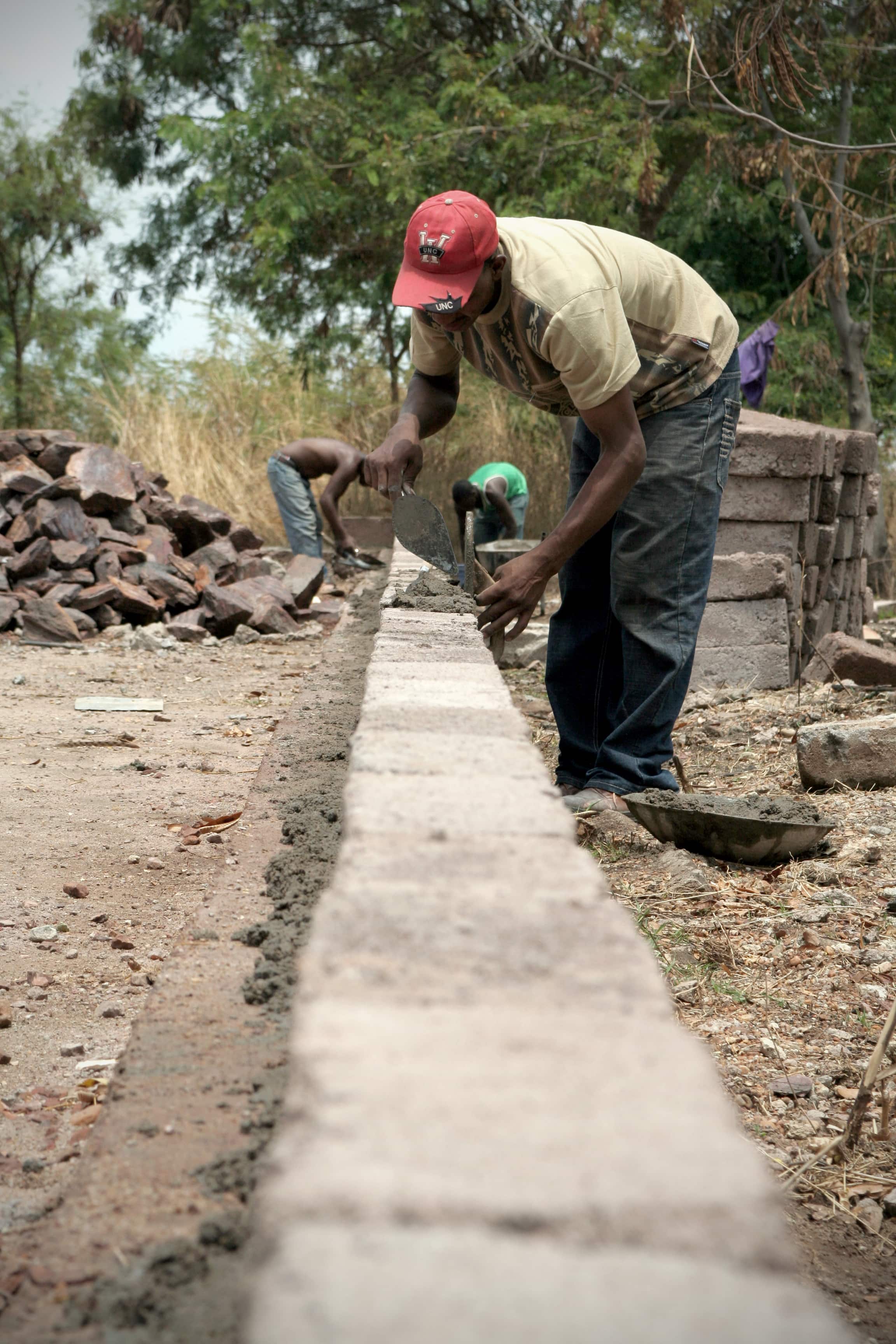
2009
The school opens
In February, the school opens for first-year secondary students. The first secondary boarding school for girls in the district proves to be a great success, and Father Bolle soon decides to increase capacity so that eventually 640 students, rather than 320, will be able to attend. We build a large dining/assembly hall (24x15m), a second block with 4 classrooms, and construct a sports field with a football and volleyball court.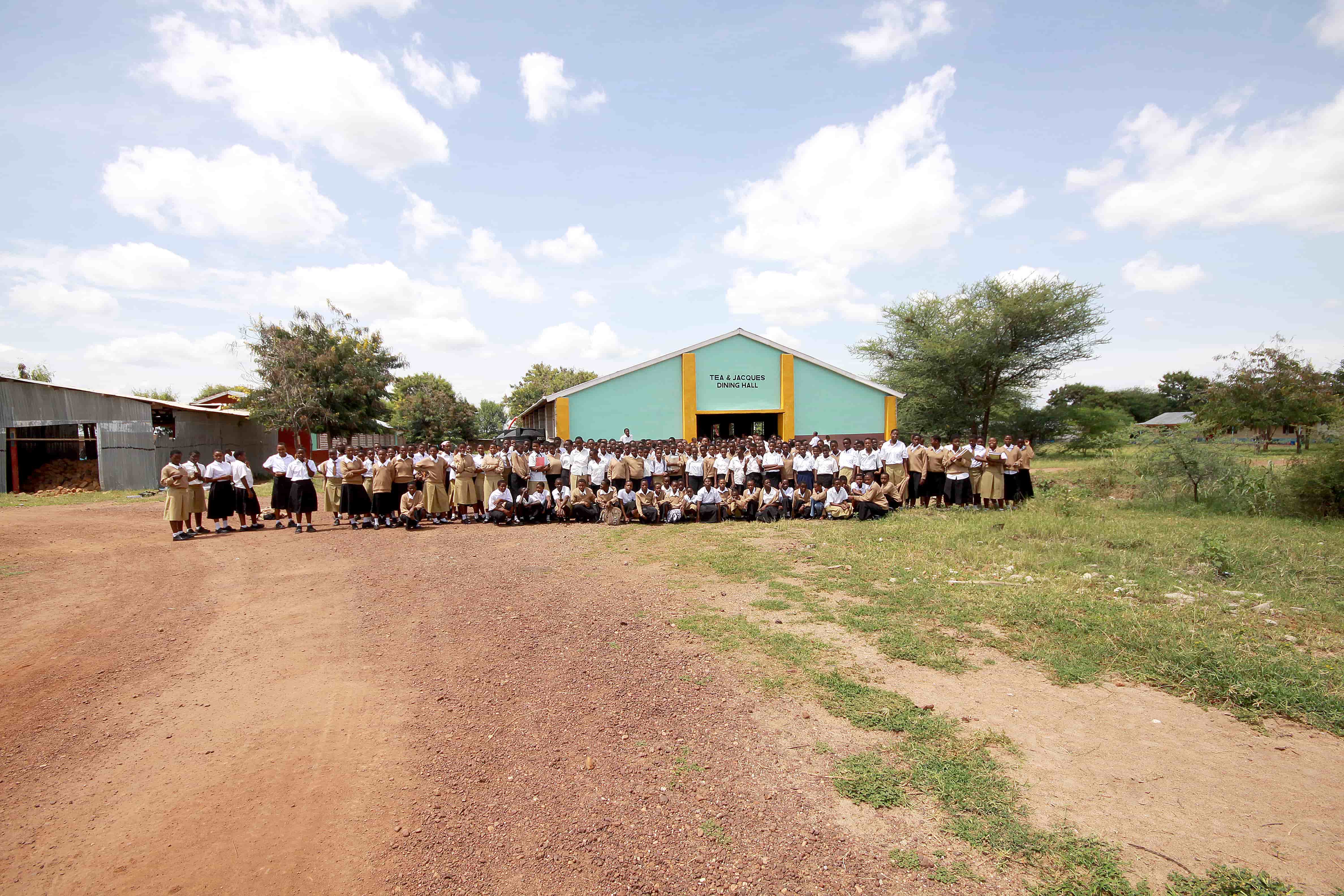
2010
Overtime for the construction workers
To keep up with the rapid growth, we build a new block with 6 classrooms and expand the dormitories with two new wings, now accommodating 420 students. In addition, we double the dining hall to a hall of 30 by 15 meters. The new buildings also receive their own rainwater tanks. From now on, the school also has its own flagpole where each morning the day begins.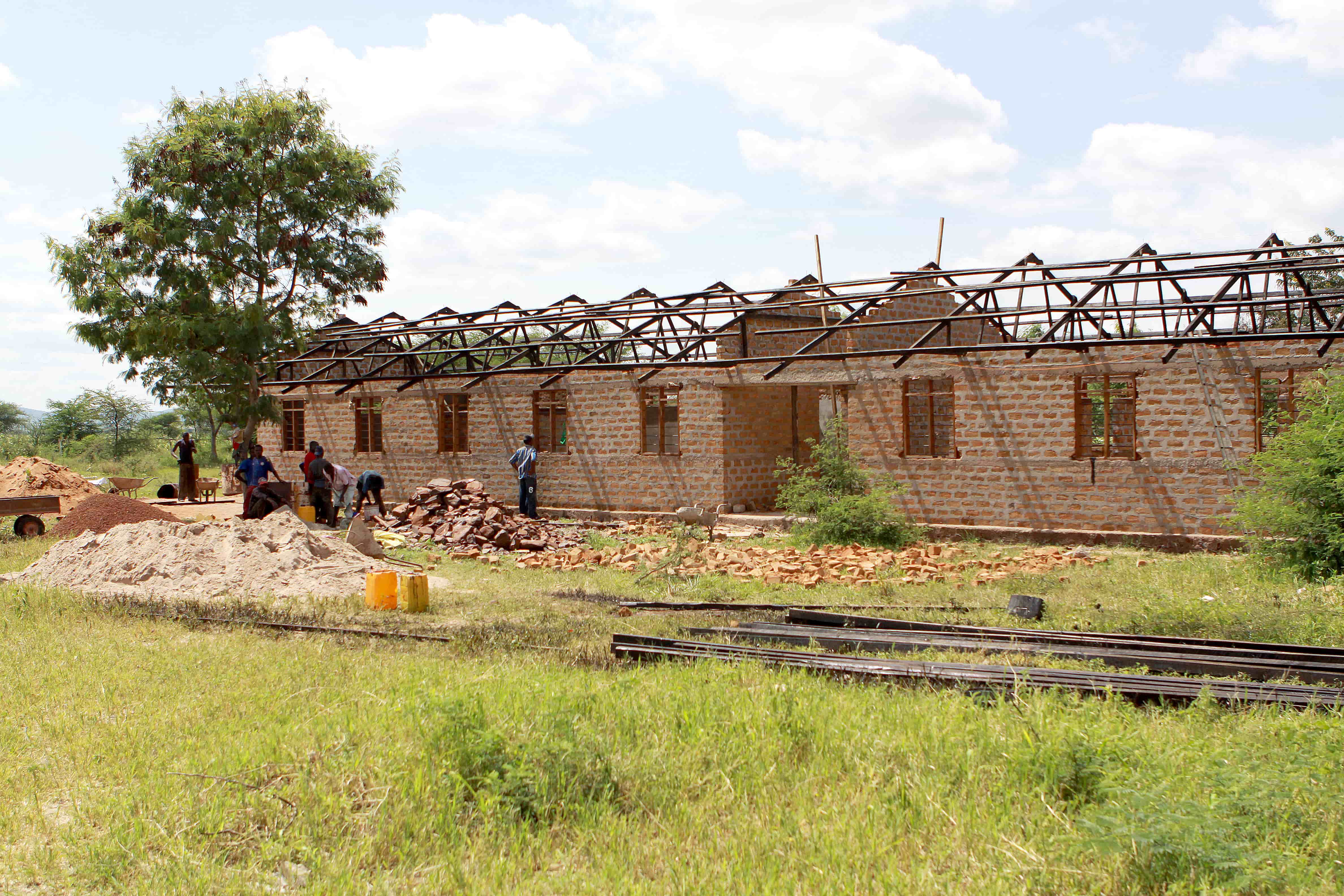
2011
Further expansion and the first computer lab
The dormitory complex receives a new wing for 320 students. In April, the first computer lab in the entire Tabora region opens thanks to 40 computers donated by Randstad Belgium. To guarantee safe drinking water, we install a sustainable solar-powered Naiade water purification system and a low-maintenance UV lamp. In addition, we provide extra sanitary facilities with 40 new toilets at two locations and build the final four classrooms. In total, the school now has 18 classes for approximately 50 students each.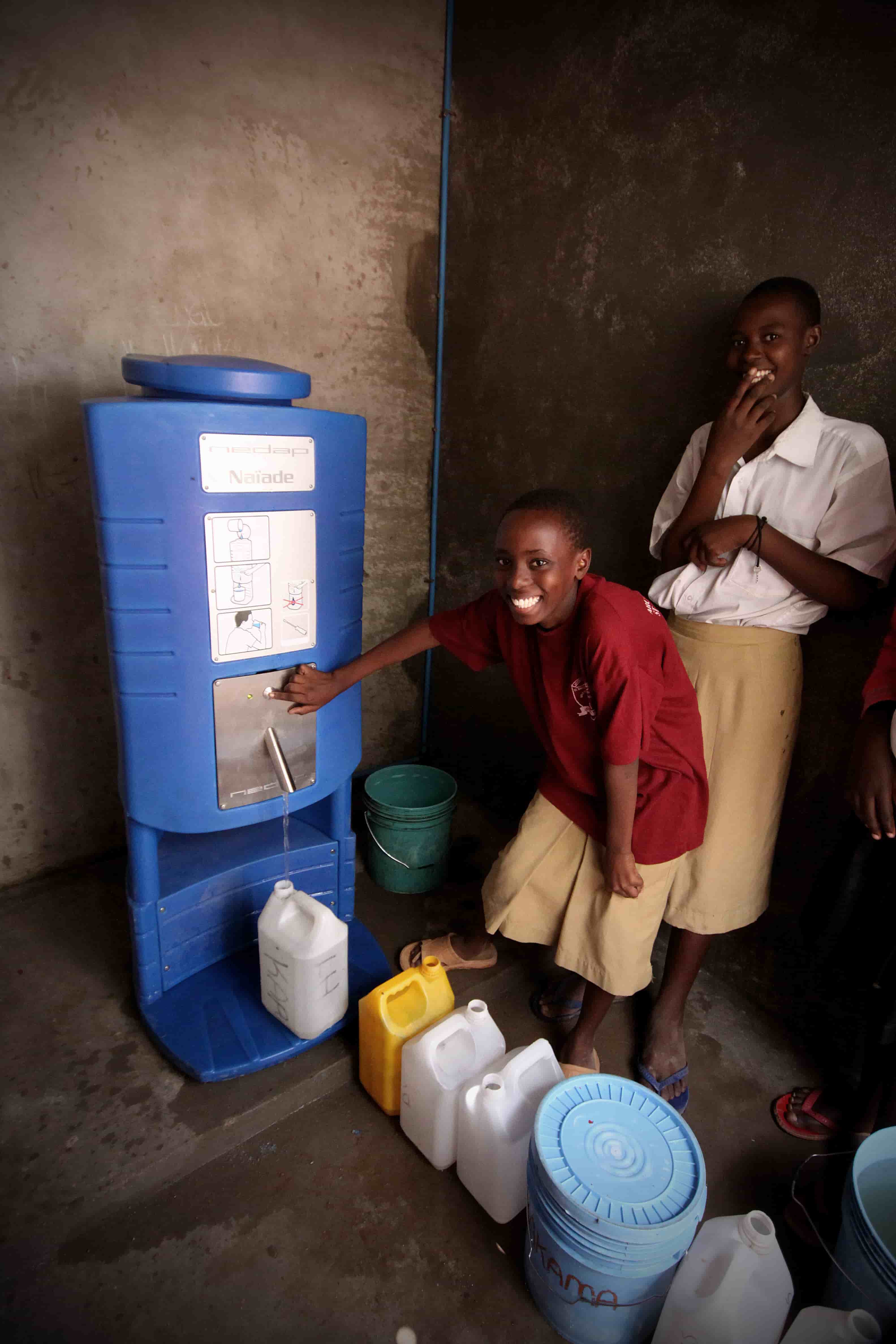
2012
Investing in meals, care, and water
The school builds a third dining hall for 400 students, which also serves as a study hall. A first aid building is added with a nurse to care for sick students. Additionally, we provide an outdoor kitchen with six large, efficient cooking fires. Finally, two extra 39,000-liter water tanks are installed to store more (drinking) rainwater in water-scarce Igunga.
2013
10 water tanks and the very first school lab
Another ten water tanks of 39,000 liters are built, allowing the school to collect up to 550,000 liters of rainwater. Furthermore, the structural shell of a laboratory building rises, featuring three modern laboratories for chemistry, physics, and biology. Behind the dormitories, a new laundry area with extra washing lines is established so students can wash and dry their clothes. Finally, we completely finish the chemistry lab between November 2013 and March 2014 thanks to two volunteers and support from BASF. This allows students to gain practical experience in a modernly equipped laboratory.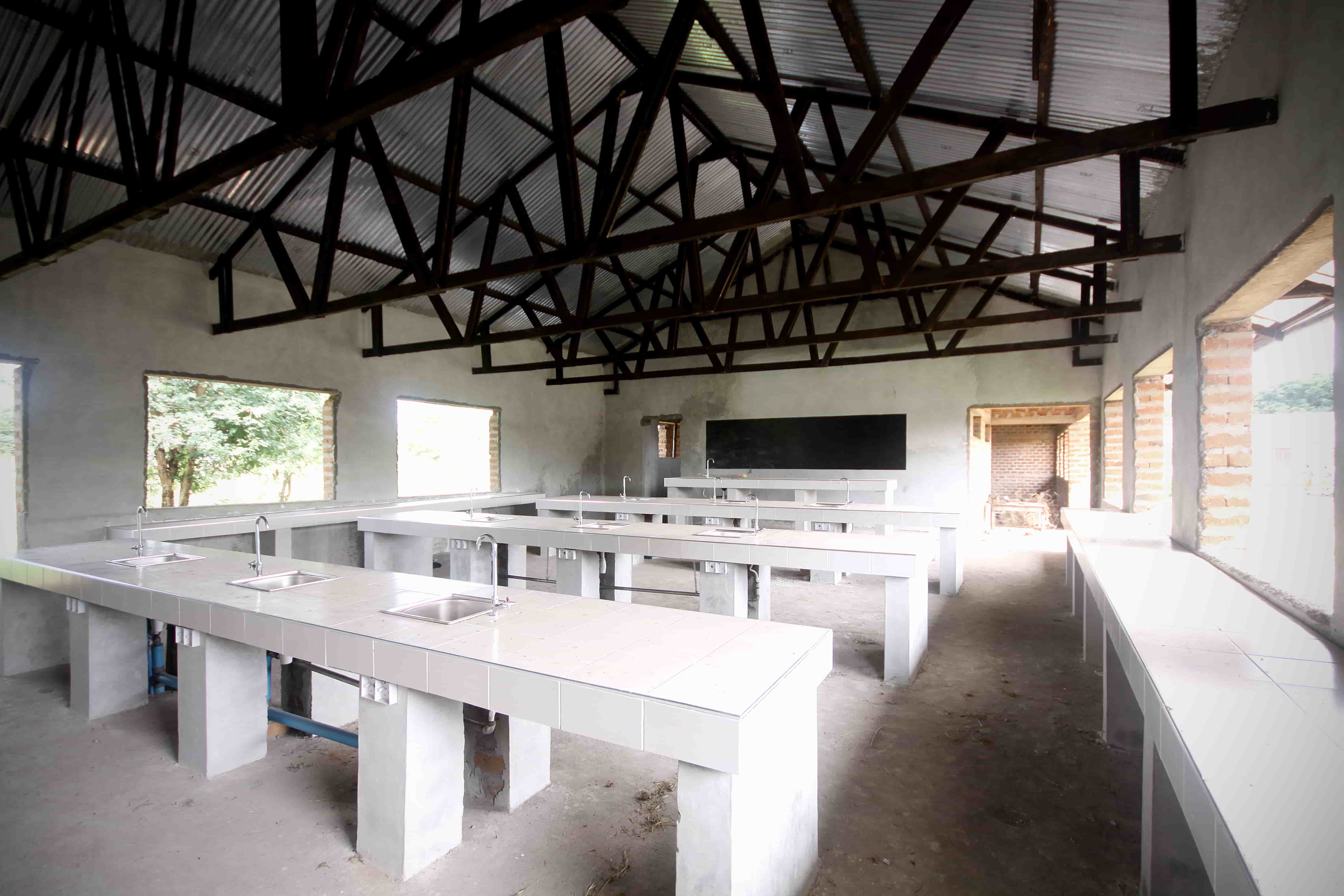
2014
Water tower
Behind the new laboratory building, we build a water tower over 9 meters high to ensure the three laboratories always have sufficient water and pressure. To facilitate maintenance, both the large refectory and the two smaller dining halls receive a durable tiled floor, totaling more than 1,100 m². All dining areas are equipped with long tables and benches. We place a fence around the entire site, including a large entrance gate for secure closure. Additionally, construction begins on the final dormitory, with room for 160 students. The building is designed as a closed square to specifically enhance the safety of the girls at night. Finally, a shower building is constructed behind the dormitory complex where approximately fifty students can shower at the same time.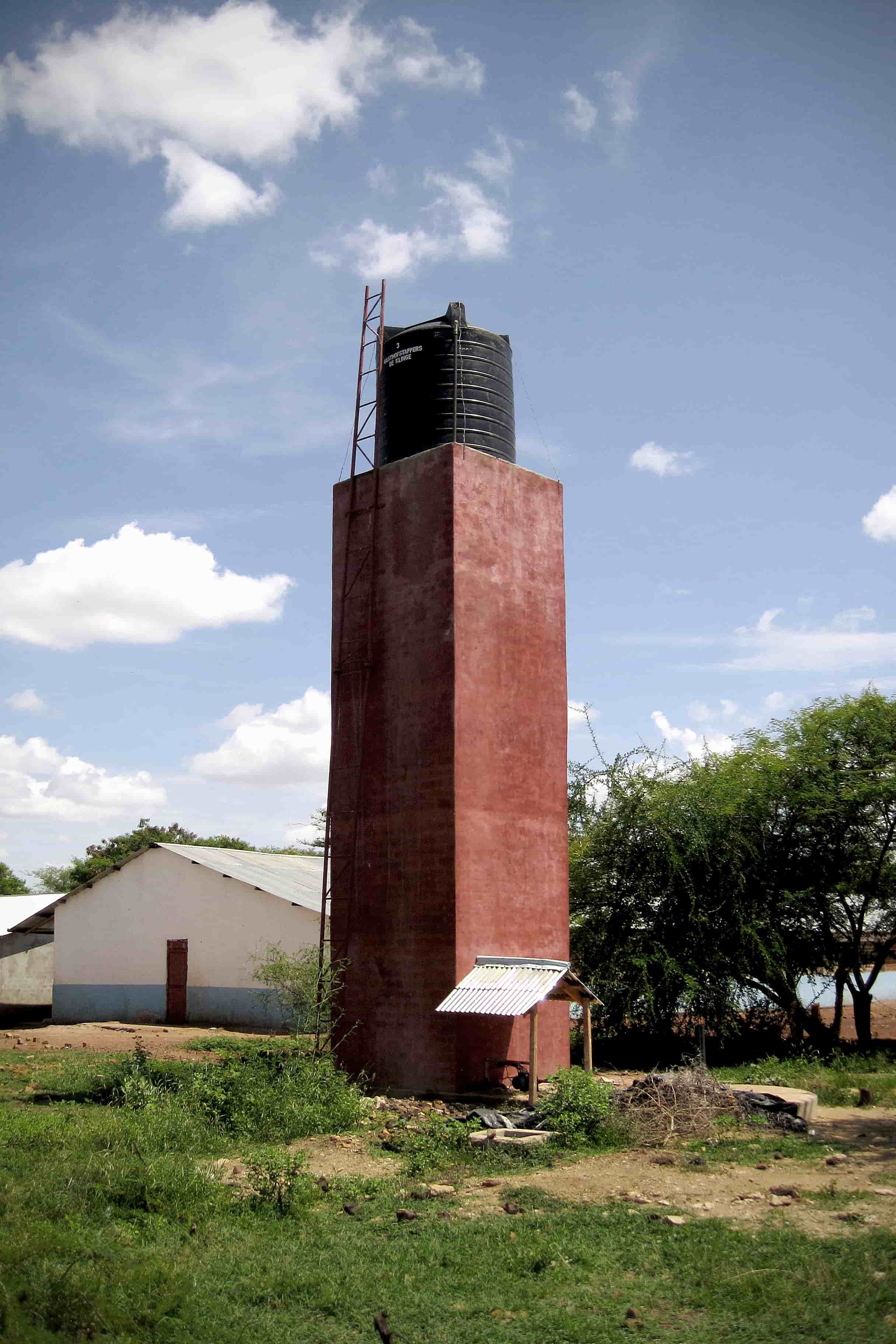
2015
Handover to the congregation of Theresian Sisters
As Father Bolle always intended, the school is officially handed over in May to the congregation of Theresian Sisters from Bukoba. The final dormitory becomes the new, temporary residence for the Theresian Sisters. Behind the dormitories, extra washing lines and a concrete-reinforced drainage ditch are added to prevent flooding. We finish the physics lab and begin preparations for the biology lab. In November, construction work starts on the administrative building featuring offices, a staff room, and a meeting room.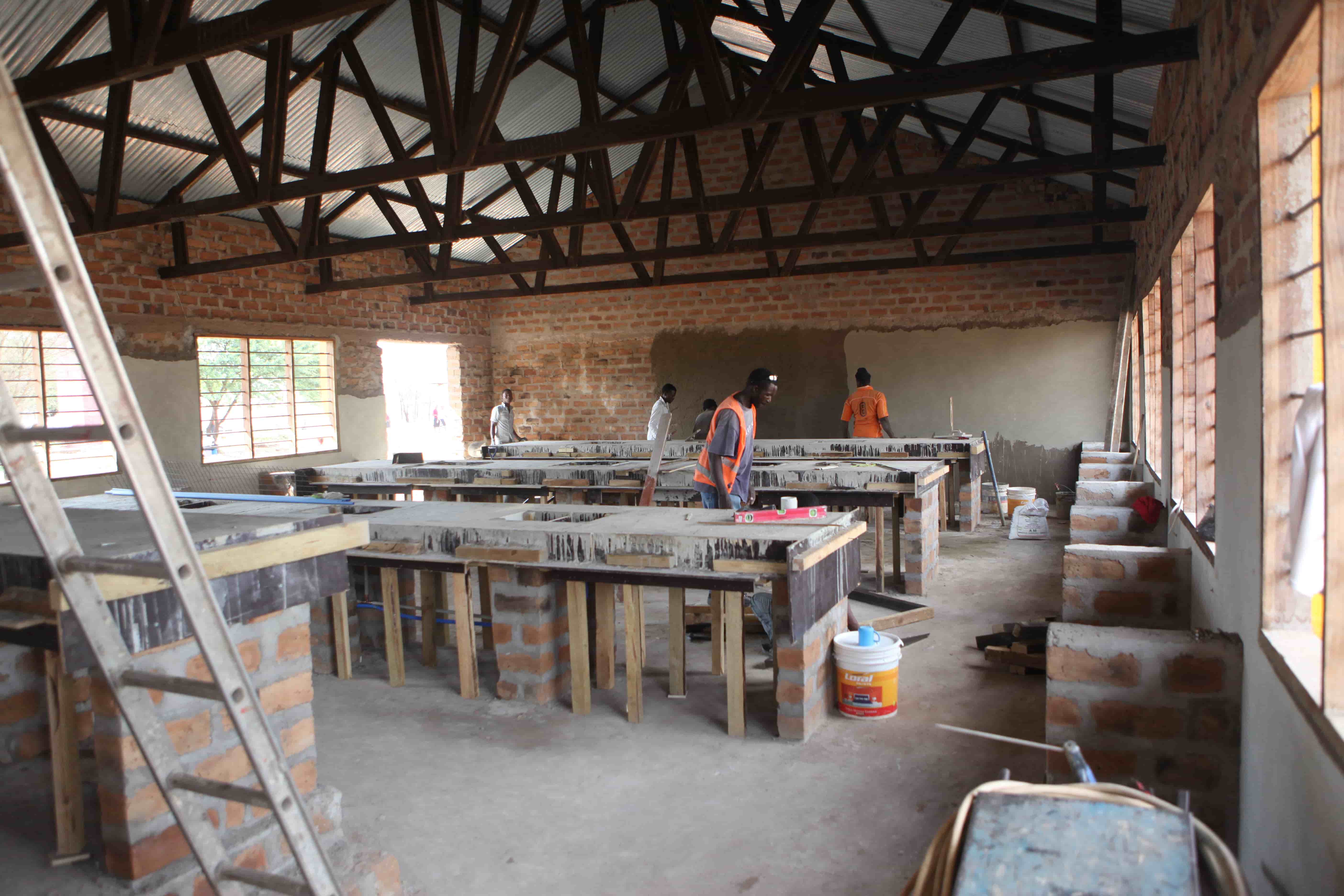
2016
The final touches
We continue finishing the administrative building with a tiled floor and furniture. Next to this building, a small sanitary block is added for teachers, management, and visitors. In April, we complete the final school laboratory (for biology), meaning all three laboratories (chemistry, physics, and biology) are now modernly equipped with gas and water supplies. Additionally, all classrooms and dormitories receive new floor tiles to replace the outdated concrete floors. Between January and August, a total of more than 3,200 m² of wear-resistant tiles are installed.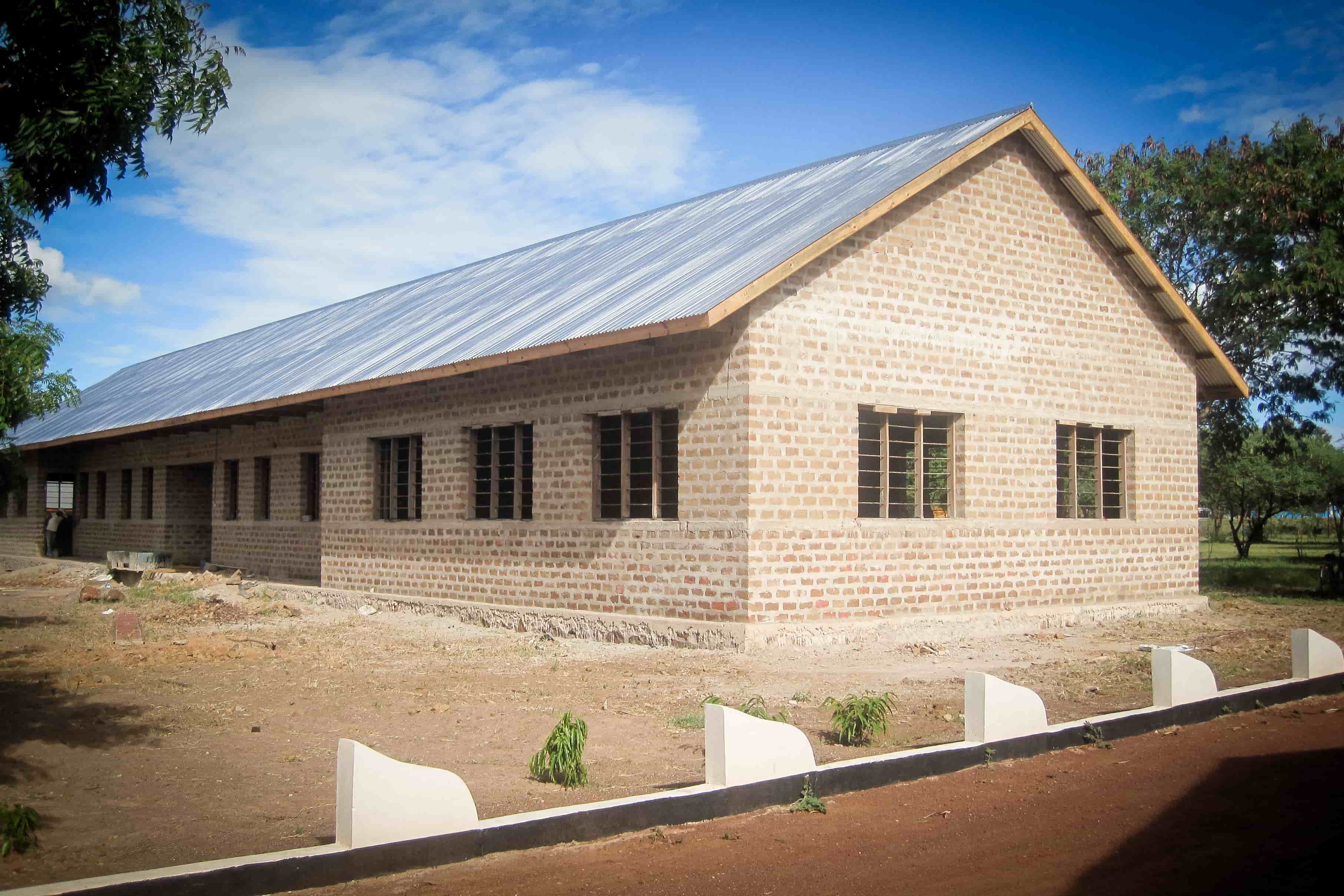
2019
Solar installation
After St. Leo, the girls' school now also receives sustainable energy. Due to frequent power outages in Tanzania, reliable lighting is a major challenge. Bollé Bollé therefore installs solar panels, inverters, a battery bank, and LED lighting in dormitories and refectories. This achieves a stable, environmentally friendly power supply, in line with Father Bolle's dream. More info on the Solar for Igunga project.
2022
New kitchen
At our secondary girls' school in Igunga, the number of students grew much faster than Father Bolle had ever expected. What started as a plan for 320 girls was quickly expanded to 640 and eventually even to 900 students. To feed everyone, he built a simple outdoor kitchen with recycled materials at the time. After ten years of intensive use and more than 100,000 kilos of cooked rice and beans, that kitchen was completely worn out. We therefore built a new, energy-efficient kitchen that connects to the dining hall. It has five large wood-burning fires that consume much less firewood and uses heat recovery to heat water. This saves energy and makes the school less vulnerable to the energy crisis in Tanzania.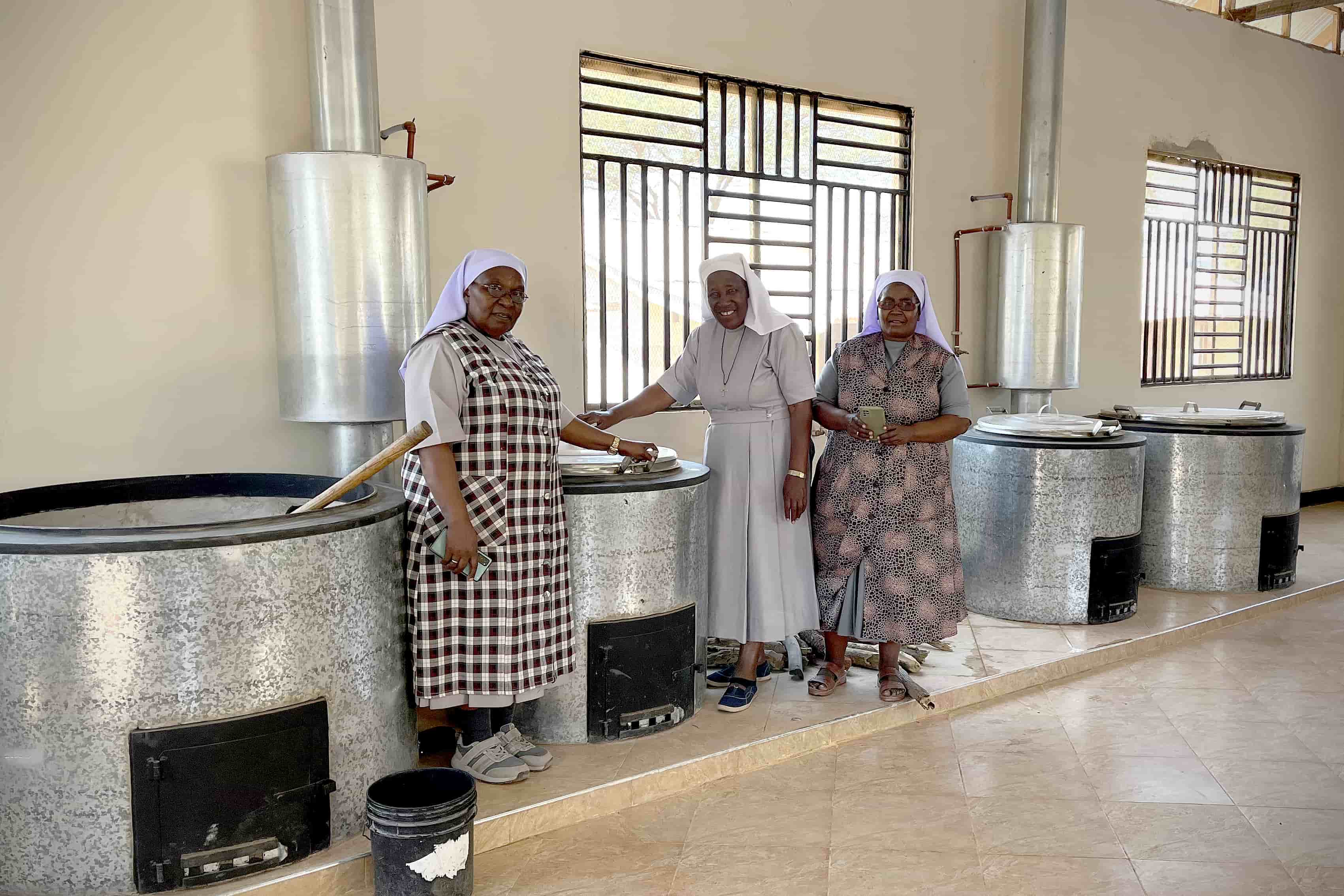
2023
Renewal of the computer lab
With Bollé Bollé, we continue to focus strongly on better education. When we opened a computer lab at our secondary girls' school in 2011—the very first in the entire Tabora province—it was a major advancement by Tanzanian standards. But the country is evolving rapidly. Today, some national exams in the fourth year of secondary school are even conducted entirely online. After 12 years, it was high time for a thorough renewal. Not only the computers, but also the room itself needed an upgrade. We therefore built a brand-new computer lab at our girls' boarding school. With a length of 20 meters and space for more than 50 computers, it is more than twice the size of the original classroom. 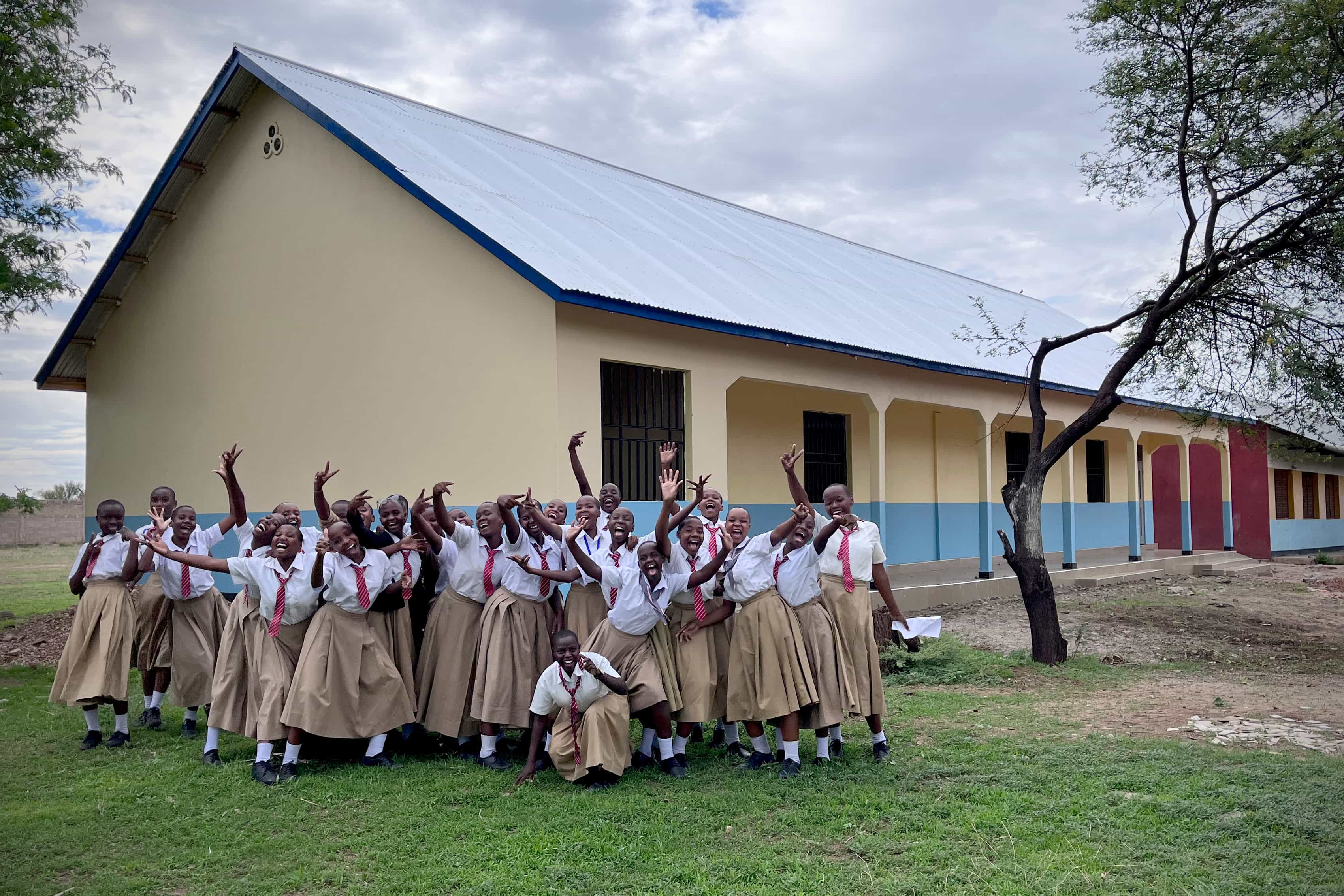
2025
Groundwater drilling
Water is scarce in Igunga. That is why we started a major water project last year. We had a 125-meter deep borehole drilled, finally providing them with their own reliable groundwater. Following the great success of the water drilling at St. Leo, we are also carrying out ground drilling at St. Margreth so our students and teachers can cook, wash, and shower themselves without being dependent on uncertain water deliveries from outside Igunga. This not only improves health and hygiene at school but also provides significant savings on monthly water costs. Thanks to this successful project, the school is no longer completely dependent on Lake Victoria, whose supply has been regularly interrupted in recent years.